BeKemified – Pampered. Prepared. Positioned.

Pampered by Grace. Prepared by Truth. Positioned for Glory.

  • The Mystery of Altars and the Test of Alignment

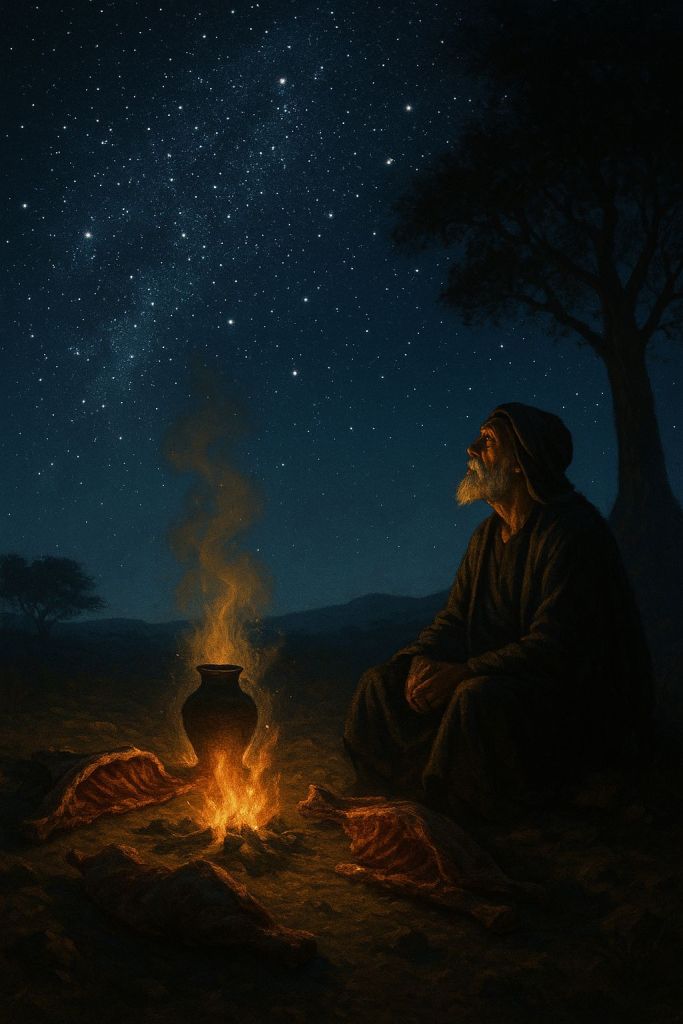
    “Take now thy son, thine only son Isaac, whom thou lovest… and offer him there for a burnt offering…” This is not about Isaac. It’s about alignment. God will always test whether what He gave you has become a rival to Him in your heart.

    The greatest test of loyalty is not lack, but abundance. Will you still say yes when the gift threatens your altar? When Abraham raised the knife, he killed idolatry, not Isaac. And the moment that happened, Jehovah-Jireh revealed Himself not just as provider, but as the God who sees sacrifice.

    The place of surrender becomes the place of sight.

    Provision always waits at the location of obedience

    Spiritual Protocols of Surrender

    Genesis 22 is a legal moment.

    God needed a man to willingly offer his son so that He, too, could legally offer His Son for man. “And the angel of the Lord called unto him out of heaven, and said, Lay not thine hand upon the lad…” This was a spiritual courtroom scene.

    Abraham proved the covenant valid. By offering Isaac, he activated the the priestly principle of substitution.

    It is not just a test; it is a transaction.

    He named the place Jehovah-Jireh not before the test, but after the altar was built.

    God does not call Himself by titles you’ve not proven.

    This chapter teaches:

    Faith must graduate to obedience

    Altars are not emotional, they are legal platforms of surrender

    Sight and provision are unlocked by sacrifice

    When the Woman Stays Silent, and the Man Births Fire.

    Sarah is silent in this chapter.Sometimes, when God wants to test your household, He goes through the one with the mantle of covenant. This is a moment of generational representation. Abraham’s obedience became the ladder of mercy for nations. There is no noise. Just footsteps. Just wood. Just a knife.

    Silent altars often carry the loudest impact. Prophetically, Isaac represents not just promise but prophetic succession. The enemy watches to see if you’ll withhold your next generation out of fear. But Abraham didn’t flinch. And Isaac didn’t fight.

    Prophetic legacy is birthed when fathers hold knives and sons trust

    Genesis 22 reminds us that:

    The real sacrifice is obedience

    God will test what you love the most

    Provision is at the place of surrender

    Altars preserve the future

    Declarations:

    Lord, I lay my Isaacs down nothing I have is above You!

    Every altar of obedience in my life shall unlock divine provision!

    I receive grace to pass my divine tests!

    Let the heavens open at my altar of sacrifice!

    Jehovah-Jireh, be revealed in my destiny!

  • The Fulfilment of Prophetic Timelines

    “And the Lord visited Sarah as He had said, and the Lord did unto Sarah as He had spoken.”

    This is the verse where waiting ends. When prophecy becomes flesh, time itself must bow. Sarah laughed before in disbelief, but now she laughs in fulfilment. Isaac’s name means “laughter.” God is restoring joy through manifestation. Prophetic words are not encouragements they are scripts from eternity. When their time comes, not even delay can stop them.

    But not everything can stay when the promise arrives. Ishmael had to be sent away you must evict compromise when the real promise comes. Some people are good for your wilderness, but not your prophecy.

    Two Seeds Cannot Inherit the Same Covenant. When Isaac was weaned, Ishmael mocked him. This was not just childish rivalry it was spiritual resistance.

    Hagar and Ishmael represent the flesh, born out of human will. Isaac represents the spirit, born of divine intervention.

    “Cast out the bondwoman and her son. ” This is a legal sentence in the realm of the spirit.

    Two covenants cannot reign in the same house.

    One is law.

    One is grace.

    One is flesh.

    One is promise.

    Even though Abraham loved Ishmael, God said: “Let it not be grievous… for in Isaac shall thy seed be called.” It is possible to love what God has rejected.

    Genesis 21 teaches that:

    Prophetic birthing brings conflict

    Mockery is often the first sign of divine movement

    Your covenant identity must be defended by separation

    When Women Birth Joy and Send Away Tears Sarah said: “God has made me to laugh, so that all that hear will laugh with me.” This is not ordinary laughter it is prophetic vindication.

    Sarah had been mocked, barren, silenced. But God remembered her womb. And her laughter became contagious prophecy.

    There is a season when the woman who was mocked becomes a sign and a wonder.

    Yet she also had to make a decision: She demanded Hagar and Ishmael leave.

    It wasn’t cruelty, it was prophetic alignment.

    Sarah carried the covenant womb. Anything that threatened Isaac’s spiritual identity had to go.

    Some women birth joy but lose it by tolerating mockery. Sarah did not.

    Genesis 21 shows:

    God remembers the wombs of women who’ve been forgotten

    Joy and separation often arrive in the same season

    The mother of promise must also be a defender of legacy

    Genesis 21 is about:

    Timing: The Lord visits at the appointed time

    Manifestation: Laughter comes after long waiting.

    Separation: You must evict what no longer aligns.

    Discernment: Love is not the same as covenant

    Declarations:

    My Isaac shall manifest at the appointed time!

    I declare joy over my promise laughter is my portion!

    Every Hagar and Ishmael in my life must exit now!

    I will not protect what God is removing!

    I guard my covenant with boldness and obedience in Jesus name Amen

  • When God Interrupts Mistakes with Mercy

    Abraham makes a familiar mistake:

    He tells King Abimelech that Sarah is his sister again.

    But God steps in.

    “But God came to Abimelech in a dream by night…”

    Sometimes, you are spared not because you’re right, but because God steps in.
    Abimelech had not touched Sarah, and God affirms:  “I withheld thee from sinning against me…”

    This is divine interruption.
    It shows that when God has an agenda over your life, He will defend your mistakes if your heart is right.

    Abraham is still called a prophet  even after his failure.
    This chapter is not about Abraham’s mistake  it’s about God’s mercy.

    Destinies Are Protected Through Night-Time Verdicts

    This is the theology of restraint. God said to Abimelech: “Behold, thou art but a dead man…”

    God did not wait for sin to manifest He blocked it in the spirit.

    Some battles you never fought were already judged in a dream courtroom.

    Why was Sarah’s womb under such supernatural embargo?
    Because the seed of promise (Isaac) was in her.

    God shut all the wombs in Abimelech’s house to signal that something sacred was under contention.

    The covenant cannot be corrupted  so God enforced divine quarantine.

    This chapter proves that:

    Dreams can be verdicts, not just visions.
    God’s covenant can shut down nations if threatened.
    Even prophets need God’s correction and covering.

    The Womb of the Promise Cannot Be Defiled

    Sarah’s body carried a prophetic timeline. Though she didn’t yet know it, Isaac was near.

    That meant her womb was under surveillance.

    No other man could touch her. Not even unknowingly.

    God intervened not because Abimelech was evil but because Sarah was too prophetic to be touched casually.

    Many women are still mocked for delays not knowing God is protecting a holy seed.

    Sarah is silent in this chapter but heaven is loud on her behalf.

    The delay wasn’t punishment it was preservation.

    Genesis 20 shows:
    God fights for the silence of women
    Destiny wombs attract demonic and human interest
    But divine embargoed keep prophetic pregnancies safe until appointed time
    Genesis 20 is a lesson in mercy, restraint, and prophetic timing:
    Not every delay is a denial  some are supernatural barriers to contamination
    God can fight for you while you sleep  dreams can be warnings or verdicts
    Don’t judge people by their temporary missteps even prophets stumble
    Your womb (natural or spiritual) may carry a seed that requires heaven’s full protection

    Declarations:

    Lord, thank You for saving me from unseen errors!
    Every prophetic seed I carry is divinely protected!
    I will not contaminate the covenant through fear or error!
    God will appear in dreams on my behalf and fight for my promise!
    Even when I fail, Your mercy will not fail me!
    In Jesus name Amen

  • Mercy Pulls, But You Must Move

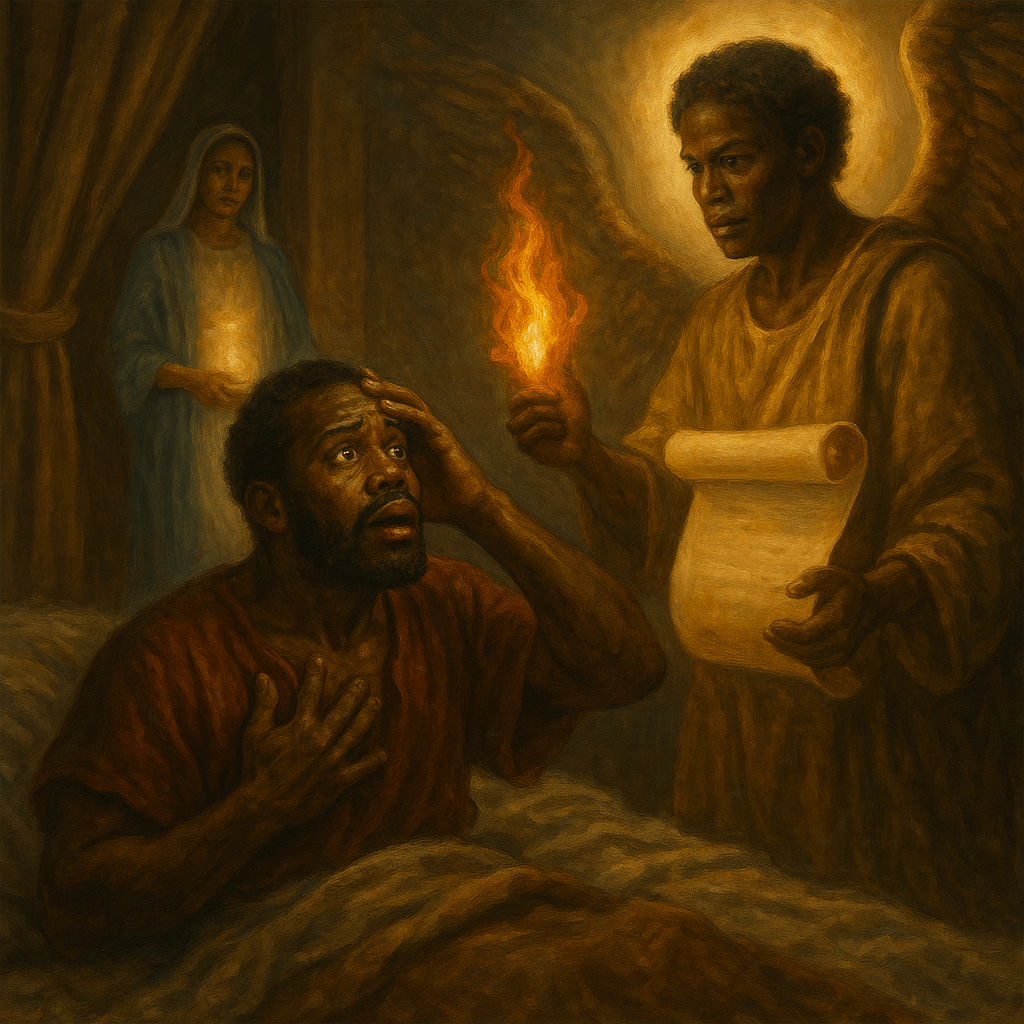
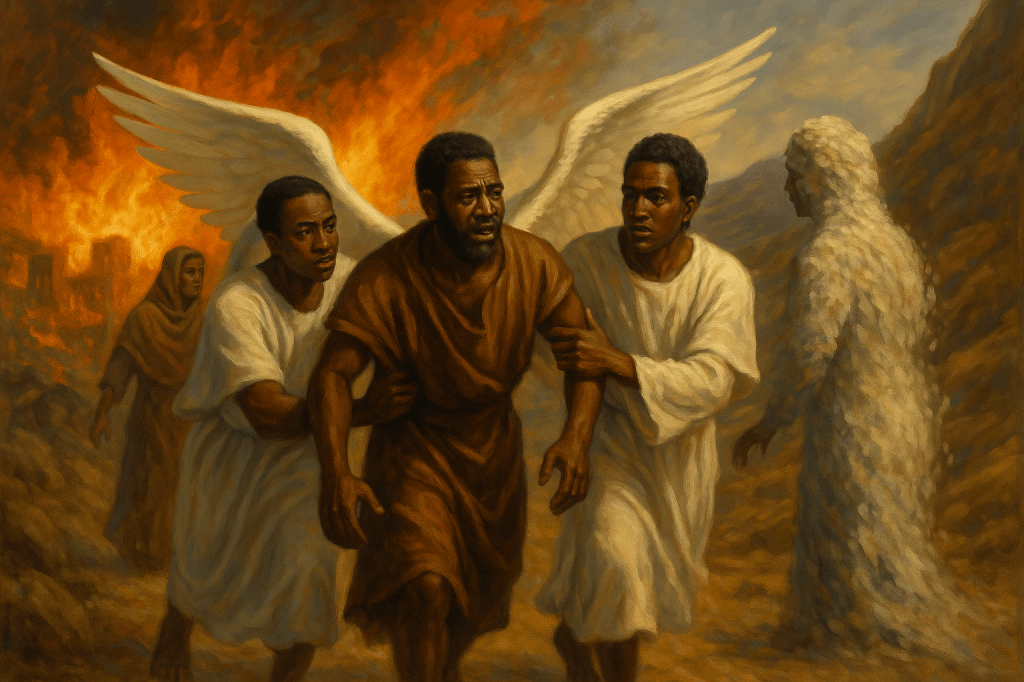
    “And while he lingered, the men laid hold upon his hand…” Lot lingered. Judgment was coming. But mercy refused to leave him behind. Angels had to drag him out of Sodom.In some seasons, delay is disobedience dressed in confusion. Heaven doesn’t wait forever. The mercy of God is powerful, but it has a window.

    Abraham’s intercession reached Lot, but even intercession cannot cancel judgment, it only rescues the righteous.Lot’s wife looked back. She became a pillar of salt. Why? Because what you long for reveals where your soul resides.

    What have you escaped from that your heart still desires?

    Genesis 19 warns us that in times of divine judgment:

    You must move fast.

    You must not look back.

    You must discern when mercy is dragging you out

    Cities Carry Covenants

    Sodom wasn’t just a city it was a territorial altar of iniquity. The angels didn’t come to negotiate they came to enforce judgment. Lot offered his daughters to protect the angels. A tragic display of compromise. When you live long enough in Sodom, your discernment erodes. The angel said: “Escape to the mountain…” But Lot said: “Let me go to this little city.” Even in rescue, Lot negotiates. He had lost the appetite for higher ground. After escaping, his daughters inspired by the immorality of Sodom, seduced their father. Deliverance from a city is not enough if the city is still in your mind, the bondage continues.

    Genesis 19 teaches that: You cannot linger when judgment is announced

    Spiritual environment shapes legacy

    A small compromise can birth generational corruption

    When Women Look Back

    Lot’s wife had no name. But her action immortalised her.

    She looked back. And froze not just physically, but prophetically.She became a pillar of salt a monument to disobedience.

    Sometimes, the greatest danger to your future is not sin, but sentiment.She left Sodom with her feet, but her soul stayed behind.

    Then Lot’s daughters, shaped by Sodom’s ways, birthed Moab and Ammon future enemies of Israel.

    The women in this chapter show us: A wife who froze in disobedience. Daughters who repeated Sodom’s patterns

    A legacy of brokenness birthed in fear and survival. But God still remembered Abraham and spared Lot.

    Your destiny may survive because someone is praying for you.

    Don’t waste their intercession.

    Genesis 19 is a call to urgency:

    Leave when God says leave

    Don’t negotiate with what God has judged

    Don’t let your heart remain where your feet have left

    Don’t pass on spiritual residue to your children

    Honour the intercession that saved your life

    Declarations:

    I escape Sodom by the mercy of God

    I will not linger!

    I refuse to look back no pillar of salt in my story!

    Every residue of Sodom in my soul is purged by fire!

    I ascend to the mountain of obedience, no more compromise!

    My children will not inherit the spirits of the land I escaped from!

  • The Law of Honour Unlocks Prophecy

    “And the Lord appeared unto him in the plains of Mamre: and he sat in the tent door in the heat of the day…”

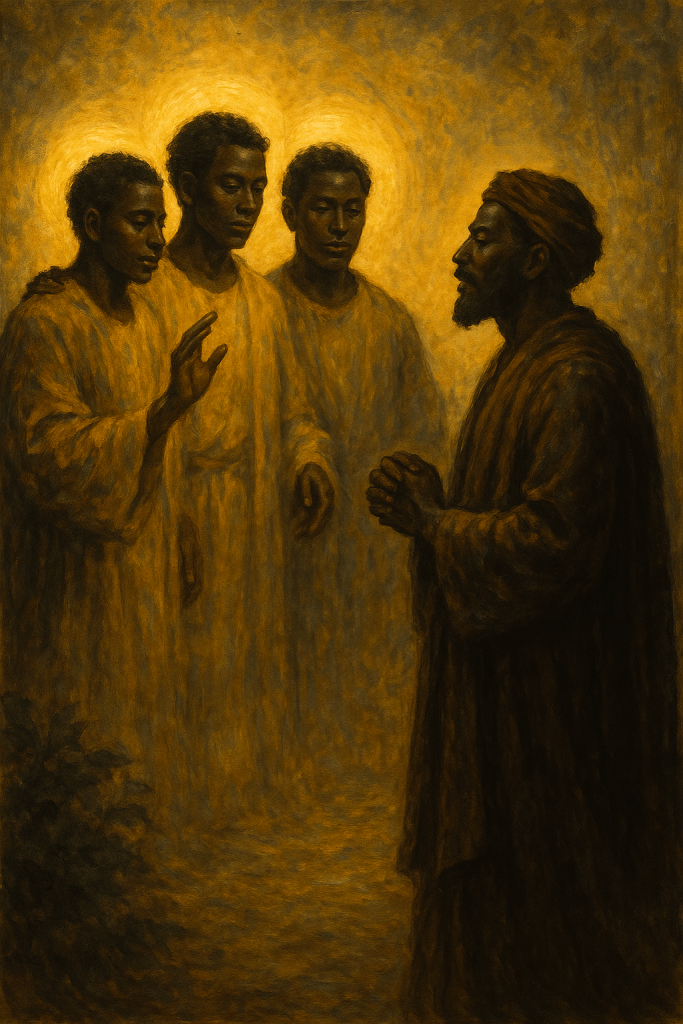
    Abraham wasn’t fasting. He wasn’t even praying. He was watchful. He saw three men approaching and instantly ran to meet them. This is discernment in action.

    Honour is what you do when you recognise that ordinary moments may carry extraordinary destiny. He fed them. Washed their feet. Offered rest and food. And they prophesied: “Sarah thy wife shall have a son.” But Sarah laughed inwardly. She didn’t believe. Yet God still honoured the timeline. This is divine mercy when God’s prophecy overrides your doubt.

    This chapter teaches that:Hospitality can unlock prophecy. Discernment brings divine encounter

    God can bypass laughter and still deliver promise. The Protocol of Intercession Begins With Proximity Abraham didn’t just host God. He later walked with Him to the edge of Sodom. Heaven will never reveal secrets to those who only entertain Him but not walk with Him. Then comes intercession:“Shall not the Judge of all the earth do right?” This is not begging. This is legal intercession. Abraham doesn’t say, “Save Lot.” He argues on the basis of righteousness. Real intercession is not emotional it’s judicial. You must know the laws that govern mercy. Abraham negotiates God down to ten righteous men. That’s spiritual diplomacy. Genesis 18 is a blueprint for: Hosting glory Transitioning from guest to friend of God Negotiating national outcomes in the courts of heaven

    The Silent Woman and the Sound of Laughter

    Sarah doesn’t speak yet her heart laughs. She laughs because: The time seems too far gone. The prophetic word feels disconnected. She was behind the veil, listening from the tent

    Many women today are laughing not with joy, but with silent disbelief. But God heard.“Wherefore did Sarah laugh?” This was not a rebuke. It was a heavenly press into her doubt. Then He said: “Is anything too hard for the Lord?” That question became the pregnancy test.God doesn’t disqualify her He declares a set time:“According to the time of life…” Genesis 18 shows that even when the womb of your faith is tired, God still delivers what He decreed.

    Genesis 18 teaches: Honour attracts divine visitation don’t wait for angels with wings. Prophecy can be birthed through service, not just sermons.Intercession is legal not emotional and must be done from a place of friendship. God hears the laugh behind the veil and still answers in mercy. No delay, age, or condition can stop a word God sets a time for.

    Declarations:

    I receive divine visitation in my tent let honour unlock my prophecy!

    I walk with God beyond intimacy into intercession!

    My laughter will no longer be disbelief it will be joy!

    Even in secret, God hears and redeems my doubt!

    According to the time of life, I receive manifestation!

    In Jesus name Amen

  • When God Appears, Everything Changes

    And when Abram was ninety years old and nine, the Lord appeared to Abram, and said… I am the Almighty God; walk before me, and be thou perfect.

    God doesn’t just speak He appears. And when He does, He introduces Himself as El Shaddai the All-Sufficient One. This is a divine confrontation of Abraham’s limitation: He’s old. Sarah’s womb is dead. Ishmael is a visible ‘solution.’

    But El Shaddai comes to recalibrate the narrative. God changes:

    His name from Abram (exalted father) to Abraham (father of many nations)

    Sarai’s name to Sarah (mother of nations)

    This is what happens when God visits:Your name aligns with your assignment.

    Then God institutes circumcision, a physical mark to seal a spiritual covenant. There is no true covenant without a cutting. Genesis 17 reminds us that destiny demands:Re-introduction to God

    Renaming by prophecy. Removal of flesh. The Seal of the Covenant is Not Speech But Blood.

    The Abrahamic covenant cannot remain verbal it must be sealed with blood.

    “Ye shall circumcise the flesh of your foreskin; and it shall be a token of the covenant…”

    This is covenantal technology: The cutting away of flesh represents death to self-governance. It is a signature in the body declaring that God owns the lineage.

    The change of names is also forensic:

    Abram → Abraham = a change of destiny register.

    Sarai → Sarah = a transfer from princess of a household to mother of kingdoms.

    Then God says something critical: “My covenant will I establish with Isaac…”

    This means:Ishmael is not rejected, but he’s not the heir of covenant.

    He will be blessed, but he will not carry the eternal seed. Genesis 17 teaches that not all blessings are covenant inheritances. Only those born of Spirit and alignment carry God’s eternal counsel.

    The Womb Must Bear the Weight of New Identity Sarah is not left out. God directly names her and includes her in the covenant. This is the first time in scripture that a woman is named by God Himself.

    He says: I will bless her, and give thee a son also of her…This means: Sarah was never disqualified by barrenness, she was hidden for timing. When God names you, He reclaims you.

    Abraham laughs not out of unbelief, but shock at divine accuracy.But Sarah is no longer a bystander. She is the womb of promise. God also introduces circumcision but this too impacts the woman. For every covenant cut on the man, the fruit rests in the woman’s womb.

    Genesis 17 is where Sarah moves from observer to vessel, from delay to destiny, from name to nation.

    Genesis 17 teaches: Delay is not denial divine timing always births divine names.

    Covenant requires cutting away both physically and spiritually. Not every blessing is covenant discern what carries generational weight. When God reintroduces Himself, everything in your identity must align.

    Women are not accessories to prophecy they are wombs of execution.

    Declarations

    I receive divine encounter with El Shaddai the God of more than enough!

    Every old name tied to delay is broken I walk in my new prophetic identity!

    I submit to the covenant cut Lord, remove what is flesh!I am not forgotten.

    I am the womb of nations!

    The mark of God is upon me.

    My generations are sealed with destiny!

    In Jesus name Amen!

  • When Faith Turns to Flesh
    Genesis 16 opens with a delay not of faith, but of manifestation.  “Now Sarai… bare him no children: and she had an handmaid, an Egyptian, whose name was Hagar.”

    The pain of waiting creates the temptation to help God.
    Sarai’s decision wasn’t random it was a flesh-driven response to a divine delay.

    Sometimes what looks like a solution is actually a shortcut to sorrow.

    Abram consents. Hagar conceives. But what Sarai thought would bring peace now brings strife.

    Impatience makes you birth what God never authored.
    Yet, when Hagar flees, God meets her at the fountain.

    He says, “Return… submit… I will multiply…”
    This shows that even when man mismanages, God still redeems.

    And for the first time in scripture, a name is given to God:  “Thou God seest me” El Roi.

    Genesis 16 teaches that even rejected people encounter redemptive mercy because God sees the wounded, not just the obedient.

    Unauthorised Prophecy and Illegitimate Priesthood
    The chapter is a case study in unauthorised intercession.

    Sarai creates an alternative womb for prophecy but the Spirit realm does not endorse it.  The child (Ishmael) is a biological success but a spiritual misalignment.

    This reveals something vital:
    Not every manifestation is a validation of divine backing.
    Abram never consulted God. Sarai used human logic. Hagar submitted but then despised.

    This is a triangular error, producing a lineage that warred against destiny.
    God, however, does not kill Ishmael. He speaks into his future: “He will be a wild man; his hand will be against every man…”  This is not a blessing it’s a prophetic diagnosis of the consequences of unauthorised prophecy.

    Genesis 16 teaches us: You can’t use flesh to fulfil spirit.  What’s born of the bondwoman shall always persecute what’s born of promise.

    The Womb, The Wound, and the Well
    Genesis 16 is a woman’s war Sarai, driven by barrenness; Hagar, provoked into pride.
    Sarai says to Abram, “I pray thee, go in unto my maid…”
    It sounds submissive, but it’s a misplaced prophetic delegation.  Then Hagar conceives but conceiving without covenant creates conflict. 

    She who once served now despises.

    She who was barren now blames.

    Sarai says to Abram, “My wrong be upon thee!”  But Abram stays silent, which shows the absence of spiritual headship.

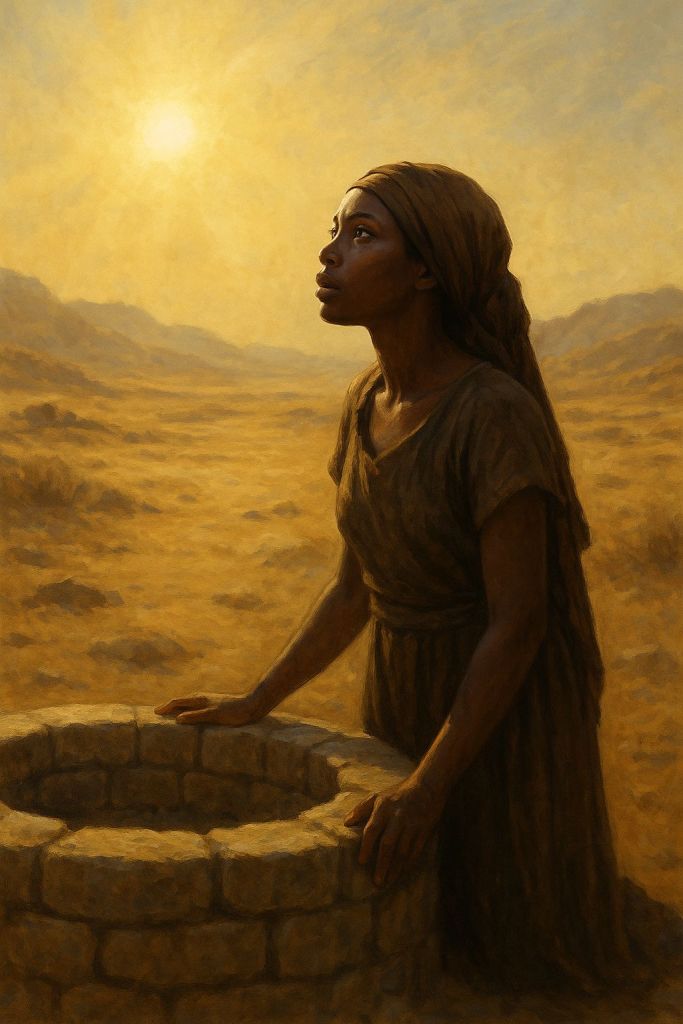
    Hagar flees and ends up at the well in the wilderness. The place of rejection becomes the location of divine encounter.
    God says, “Return and submit…”  Then gives a prophetic word over her child proof that God sees every womb, even when others don’t.


    Genesis 16 is a story of women one wounded by delay, the other wounded by pride both in need of El Roi, the God who sees.

    Genesis 16 teaches:
    Impatience opens the door to unnecessary warfare.
    What you birth outside of God may live but it will fight what’s inside God.
    Every Hagar has a fountain moment a place where God sees, speaks, and redirects.
    Spiritual authority must not stay silent during moments of prophetic confusion.
    God’s mercy covers mistakes but truth demands return and submission.

    Declarations:
    I will not birth Ishmael while waiting for Isaac!
    My womb will wait on God’s Word, not man’s timeline!
    Every decision I made out of pressure Lord, redeem and realign it!
    I dwell under the gaze of El Roi I am seen, known, and restored!
    Every well in my wilderness becomes a fountain of vision!
    In Jesus name


  • When God Wants to Change Your Life, He Gives You a Word

    The chapter opens with divine reassurance:  “Fear not, Abram: I am thy shield, and thy exceeding great reward.”

    Abraham has just returned from war (Genesis 14), yet he’s still carrying a silent cry; no heir, no child. But instead of rebuking him, God initiates a conversation.

    Many believers don’t understand: God responds not just to prayer, but to inner longings that are voiced in His presence.

    Abraham says, “What will You give me seeing I go childless?”
    This is vulnerability mixed with covenant.

    Then God responds, “Come out and look at the stars…”

    Prophetic direction often begins by changing your vantage point.

    God doesn’t give the child yet He gives a picture of promise.  “So shall thy seed be…”

    And Abraham believes and God counts it as righteousness.

    This is the foundation of justification by faith, centuries before the law.

    Then God seals the promise with blood, animals are cut, and God walks between the pieces.
    This is not just a promise it’s a blood-sworn oath.

    Genesis 15 is the spiritual DNA of faith, covenant, and destiny.

    Covenants Are Cut in Darkness, Not in Light
    Abraham believes God but belief without covenant has no legal weight in the spirit realm.

    So God instructs a sacrifice:
    A heifer
    A goat
    A ram
    A turtledove
    A pigeon

    Each is symbolic of rank and redemption. Then something strange happens:  “And when the sun was going down, a deep sleep fell upon Abram…”

    God puts him to sleep  because what’s about to happen is not man’s negotiation.

    Covenants are not made by the strength of man, but by the commitment of God.

    Then comes darkness and horror and God walks between the pieces like a burning lamp and smoking furnace.

    This is the mystery of the Abrahamic covenant, God binds Himself by blood, so that faith now becomes a legal transaction.

    This covenant is why Israel was untouchable. Why Isaac could be born.

    Why Jesus had to come.

    Genesis 15 is a legal establishment of prophetic destiny through sacrifice and substitution.

    The Womb Must See What the Spirit Has Sealed.


    Genesis 15 is not just Abraham’s chapter it’s Sarah’s too, though she is not mentioned.
    Until now, Sarah had a silent presence, but the covenant of Genesis 15 includes her womb.
    “So shall thy seed be.”
    To the man, God gives stars. To the woman, He’s giving timing.

    But here’s the warning:
    “A horror of great darkness fell upon him…”
    Even in covenant, there is delay, resistance, and spiritual warfare.

    Sarah’s delay was not because of sin, but because timing follows covenant sequence.

    This is why prophetic women must watch the altars, not just their calendars.

    Then God speaks of a future: “Your descendants shall be strangers… for 400 years…”

    This is a generational prophecy, proof that what happens in your womb affects nations.

    Genesis 15 teaches that every woman connected to promise must understand:
    Covenants are sealed in quiet
    Delay is not denial
    Wombs wait while covenants walk

    Genesis 15 teaches:
    It’s okay to question God when your spirit is burdened.
    Faith is believing God before results show up.
    Covenants aren’t emotional they are legal transactions in the spirit.
    Darkness may come before manifestation but God walks through the fire for you.
    The blessing may be delayed, but it can’t be denied if it was sealed by God.

    Declarations:
    I believe even when I don’t see! Lord, count it as righteousness!
    I receive the legal backing of heaven for my prophetic destiny!
    Every promise over my life is sealed by blood and fire!
    Though delay surrounds me, I declare: covenant is speaking louder!
    I walk in the Abrahamic order vision, faith, and inheritance are mine!

    In Jesus name Amen

  • Warfare Comes With Mantles, Not Just Miracles

    Genesis 14 opens with a war of kings but one man, Abram, moves not as a soldier but as a mantled deliverer.

    “And when Abram heard that his brother was taken captive, he armed his trained servants…”
    He didn’t call heaven first he mobilised his covenant house.
    This is spiritual maturity  when intercession is matched by intelligent strategy.

    Abram rescues Lot  the one who chose wrongly but still needed mercy.
    This is a lesson: Spiritual maturity means helping those who offended your destiny.

    But the real encounter is in verse 18:

    “Melchizedek king of Salem brought forth bread and wine: and he was the priest of the most high God.”

    Melchizedek doesn’t come with a sword  he comes with bread, wine, and blessing.

    This reveals:
    After every battle, there must be communion*spiritual restoration, not just emotional relief.

    Abraham tithes to Melchizedek proving the spiritual realm outranks the physical.

    He tithed not to a need, but to a priesthood.

    Genesis 14 teaches that priesthood is higher than kingship and that divine encounters often follow personal battles.

    The Priesthood of Salem and the Hidden Order

    Genesis 14 reveals territorial warfare four kings versus five but the focus is not the war.
    The focus is the entrance of Melchizedek, a priest without beginning or end.

    This is a pre-Christ manifestation an ancient priesthood stepping into time.

    When Abram returns with spoils, he is met by a spiritual monarch carrying bread and wine.
    This signals:

    Covenant ratification
    Warfare rest
    Priesthood alignment

    Melchizedek is not named before or after in this context  because he represents a dimension, not a personality.

    Abraham tithes not out of law (because Moses hasn’t come yet)  but out of spiritual recognition.

    This chapter proves that kings fight, but only priests bless.

    Sodom offers Abraham the spoils, but Abraham refuses. He says:

    “Lest thou should say, I have made Abram rich.”
    He understands: taking reward from the wrong altar corrupts the covenant.

    Genesis 14 is not about war it’s about altars, alliances, and ascendancy.

    The Womb of Intercession and the Blessing That Breaks Barrenness

    Genesis 14 shows the woman that even when you’re not named, your covenant still speaks.

    Sarah is not mentioned but the household of Abraham, including the 318 trained servants, proves that Sarah’s management, favour, and alignment supported the mission.

    Every prophetic woman must ask: “What am I training in my house  warriors or worriers?”

    Then comes Melchizedek who brings bread and wine.
    This isn’t just communion. This is a prophetic pregnancy reset.

    Bread = sustenance
    Wine = joy
    Blessing = womb reactivation

    Melchizedek blesses Abraham by calling him “possessor of heaven and earth.”
    This includes Sarah’s womb.

    Some blessings don’t come through angels they come through priests of mystery.

    Sarah doesn’t know it, but after this blessing, her season of delay begins to shake.

    Genesis 14 reveals that after every war, a woman must prepare to receive wine, bread, and blessing because something is about to break.

    Genesis 14 teaches:
    War will come but your covenant determines the outcome.
    Rescue even those who hurt you because mercy reveals maturity.
    True wealth is not in spoils, but in altars.
    Priesthood gives what warfare cannot rest, recognition, and revelation.
    Your response to spiritual authority reveals your alignment in the kingdom.

    Declarations:
    I will not be defined by war.
    I will be crowned by priesthood!
    I reject every reward that comes from wrong altars!
    I honour priesthood and tithe to covenant, not convenience!
    Let every Melchizedek encounter in my life trigger blessing and possession!
    My house shall raise warriors trained in the covenant of God!
    In Jesus name Amen

  • Some Relationships Must End for Vision to Begin

    Genesis 13 opens with wealthAbraham leaves Egypt rich in cattle, silver, and gold but wealth without divine order still invites strife.

    “And there was strife between the herdsmen of Abram and Lot…”  This wasn’t just conflict  it was a prophetic signal that Lot had reached his expiry date.

    Sometimes, contention is God’s way of forcing separation.  What you refuse to let go of in peace, God will remove through pressure.

    Abram tells Lot to choose  not out of weakness, but out of covenant confidence.  When you know you’re blessed, you don’t fight over land you carry blessing within.

    After Lot departs, God says:
    “Lift up now thine eyes…” That means until Lot left Abraham’s prophetic sight was limited.

    God then gives him the land by vision before it becomes possession.  Genesis 13 teaches that true inheritance follows alignment, not association.

    Altars Mark Territory in the Spirit
    Genesis 13 isn’t about physical land alone  it’s about spiritual dominion.  Lot chose with his eyes a plain that looked well-watered but spiritually, it was Sodom.  This shows that carnal discernment leads to corrupted destiny.
    Abram, on the other hand, walks by the protocol of the altar.
    He builds an altar at the beginning (Bethel), and again at the end (Hebron).
    Wherever Abraham walked, he left a spiritual claim through priesthood.

    Lot set up tents. Abraham built altars.
    One pursued survival. The other secured generational promise.  When God says, “Arise, walk through the land…” He is calling Abraham into spiritual mapping.

    This is how you lay claim to territory in prayer by prophetic movement and legal proclamation.
    Genesis 13 is a manual for spiritual governance through consecration.

    The Womb of Vision and the Altar of Separation
    Genesis 13 is about a womb clearing until Lot left,  Abraham could not conceive the next stage.  Lot represents the fleshly tie, the familiar comfort that delays prophetic pregnancy.  Once he’s gone, God says, “Lift up now your eyes…”  This means vision can miscarry if your company is wrong.

    And Lot saw with flesh, but Sarah would carry the seed of the Spirit.

    So prophetic women must discern: Are you walking with men of sight or men of tents?

    The chapter ends with:
    “Then Abram removed his tent… and built an altar.”

    This is a pattern:
    Remove the temporary
    Erect the eternal.

    Women who walk with covenant men must help them:
    Build altars, not just tents.
    See legacy, not just comfort.
    Genesis 13 is a womb of separation, and a conception of promise.
    Genesis 13 teaches:
    You can’t keep Lot and gain full vision.
    Conflict may be a divine signal not all battles are demonic.
    Inheritance follows insight, and insight follows obedience.
    Altars are how you claim and secure territory physically and spiritually.
    Tents are temporary, but altars establish eternal memory with God.


    Declarations:
    I let go of every Lot in my life I make room for divine vision!
    I will not choose by sight I walk by revelation and covenant.
    My altars speak louder than tents. I establish dominion through obedience.
    Like Abraham, I will lift my eyes and walk into prophetic inheritance.
    In Jesus name Amen

BeKemified – Pampered. Prepared. Positioned.

Pampered by Grace. Prepared by Truth. Positioned for Glory.

Skip to content ↓